
Back To School Morning Routine Essentials
From a Pediatric Speech-Language Pathologist
This post contains affiliate links. Play and Say, LLC may earn a small commission at no additional cost to you. We only recommend products we genuinely use, love, or would confidently recommend to families!
The new school year is almost here (how?!), which means new routines and most likely, a little chaos.
As a SLP and mom of two, I've learned that the biggest difference between a stressful morning and an enjoyable one is having a few simple systems in place. In our house, we tell our toddler we're "setting ourselves up for success" as we get everything ready the night before! Believe me - I’m exhausted by the end of the day and prepping for the next morning is typically the last thing I want to do. But taking a few minutes to get ready for the next day and having functional tools to use in the mornings can make such a huge difference.
My goal isn't to have perfect mornings because let's be honest, do those even exist? My goal is to enjoy the little bit of time I have with my kids before they head off to school. Those moments are precious, and I'd rather spend them connecting instead of searching for missing shoes or packing snacks at the last minute.
Here are a few of my favorite back-to-school must-haves that help make our mornings less stressful, and hopefully make yours a little easier too!
Visual Schedule
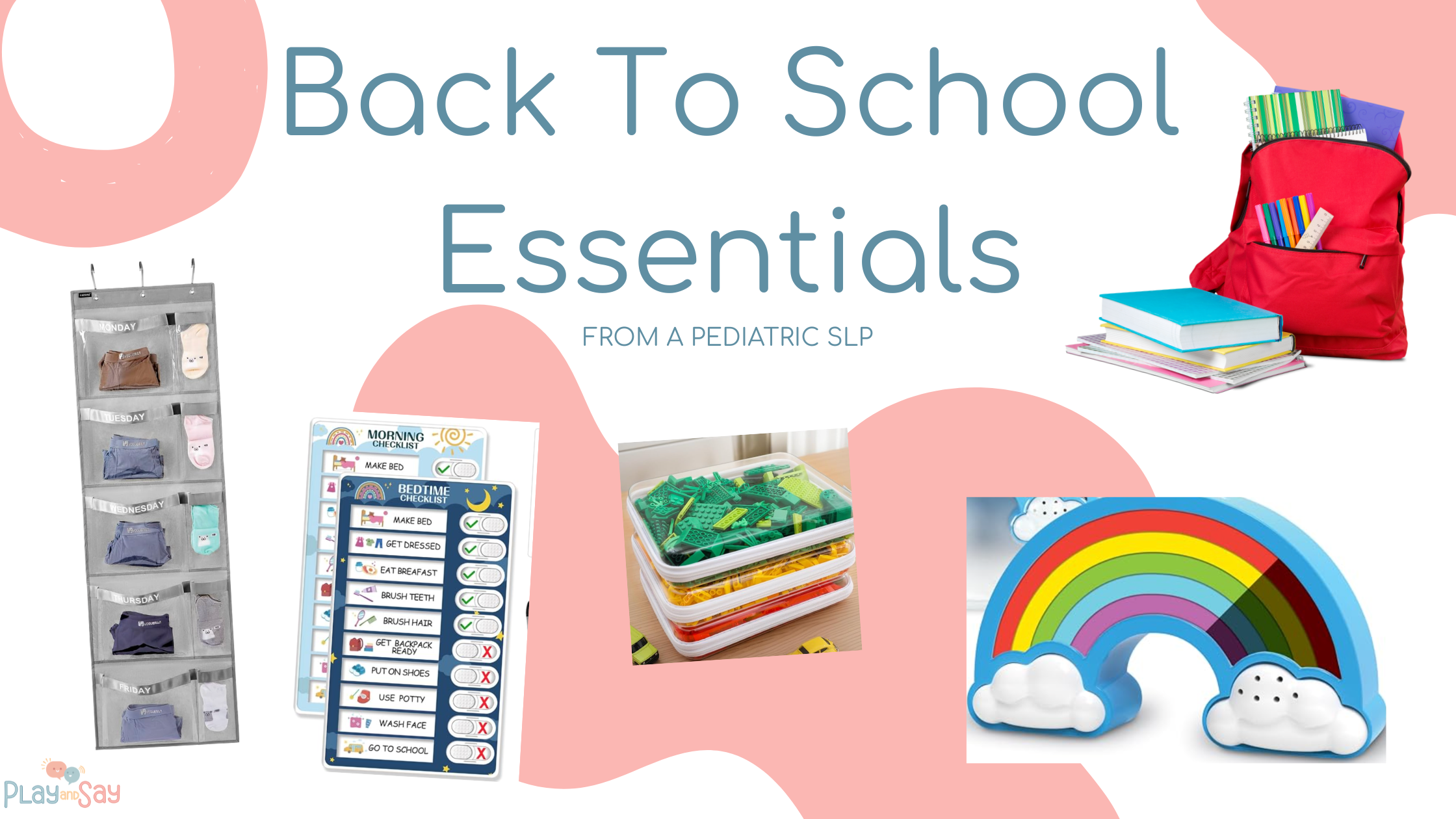
A visual schedule helps children understand what's coming next, builds independence, and cuts down on constant reminders. There are so many great options online, or you can easily make your own! I personally love these reusable schedule boards. These are customizable and come with two boards for different day and night routines. They are easy to use, durable, and have become one of my toddler’s favorite morning tools.
Outfit Organizer
Choosing an outfit is one more decision during an already busy morning. Picking out outfits for the following day or upcoming week and placing them in a dedicated area is a great way to stay organized and lessens the mental load at the start of your day. I prefer these hanging outfit organizers because they don’t take up too much space! (Honestly... I might need one for myself!)
Functional Backpack
Kids naturally want the cutest backpack or the one with their favorite characters on it; it’s a great way to express their interests! However, it's just as important to choose a backpack that is functional and one that your child can use independently. Make sure it is an appropriate size and has enough pockets/sections for all of their school items. Look for a bag your child can zip, unzip, carry, and put on by themselves. Giving them ownership of packing and carrying their own backpack builds confidence and allows them to be involved in preparing for the school day. In fact, "pack backpack" is a perfect task to add to their morning visual schedule!
Visual Timer
Transitions can be hard - for kids and adults!
While many families use Alexa or their phone for timers, a visual timer allows you to actually see how much time is left before it's time to leave, move to the next task, etc. That visual countdown often makes ending breakfast, turning off the TV, or finishing playtime much less stressful. There are so many choices when it comes to visual timers including this rainbow timer (a HUGE favorite with my kids and my clients!). Visual timer apps are also a great option!
Organizational System
Every family is different, so the way you organize is specific to you and what you prefer. Whether it's labeled bins, a snack station, shoe baskets by the door, backpack hooks, or a designated launch pad for school items, creating simple systems helps everyone know where things belong and makes it easier for the whole family! I am loving these clear hard shell cases - I literally use them for everything!
Setting your family up for success by creating predictable routines and systems will help your family to feel confident, capable, and ready for the day!