Early Intervention Speech Therapy
Who It’s For And What To Expect!
Unless you’ve been in speech therapy yourself, have a friend or family member who has, or work alongside SLPs (speech-language pathologists) in your work, you might not really know what it is. A lot of people think SLPs just “teach kids how to talk” or “work on sounds.”
While that is definitely a part of what we do, its only scratching the surface. The scope of speech-language pathology is huge (like massive!) and we treat across the entire lifespan. Here, we’ll narrow it down to just early intervention (birth-3) therapy.
What Do Early Intervention SLPs Do?
SLPs support speech and language development, social communication, cognitive-communication skills, voice, fluency, and even feeding and swallowing. Some children use AAC (augmentative and alternative communication), like gestures, pictures, sign language, picture/symbol boards, or speech-generating devices to communicate. SLPs help to determine which communication system (or combination of systems!) is appropriate and most functional and how to incorporate it into daily life.

Who Benefits From Speech Therapy?
A child might be referred for speech therapy if they aren’t talking yet, are having trouble engaging or connecting with others, aren’t using language functionally, or are speaking but difficult to understand. Some children may also have medical or developmental diagnoses that impact how they communicate and learn language. The age at which your child is referred can vary. Maybe your pediatrician has concerns when your child is 2 and refers to speech. Maybe you notice when your child is 18 months that they aren’t engaging with others like their older sibling did at that age. There is no exact age when a child should be referred, but it is always better to have an evaluation done as soon as there is a concern!
What Does An Early Intervention Speech Therapy Session Look Like?
PLAY. PLAY…..and more PLAY!
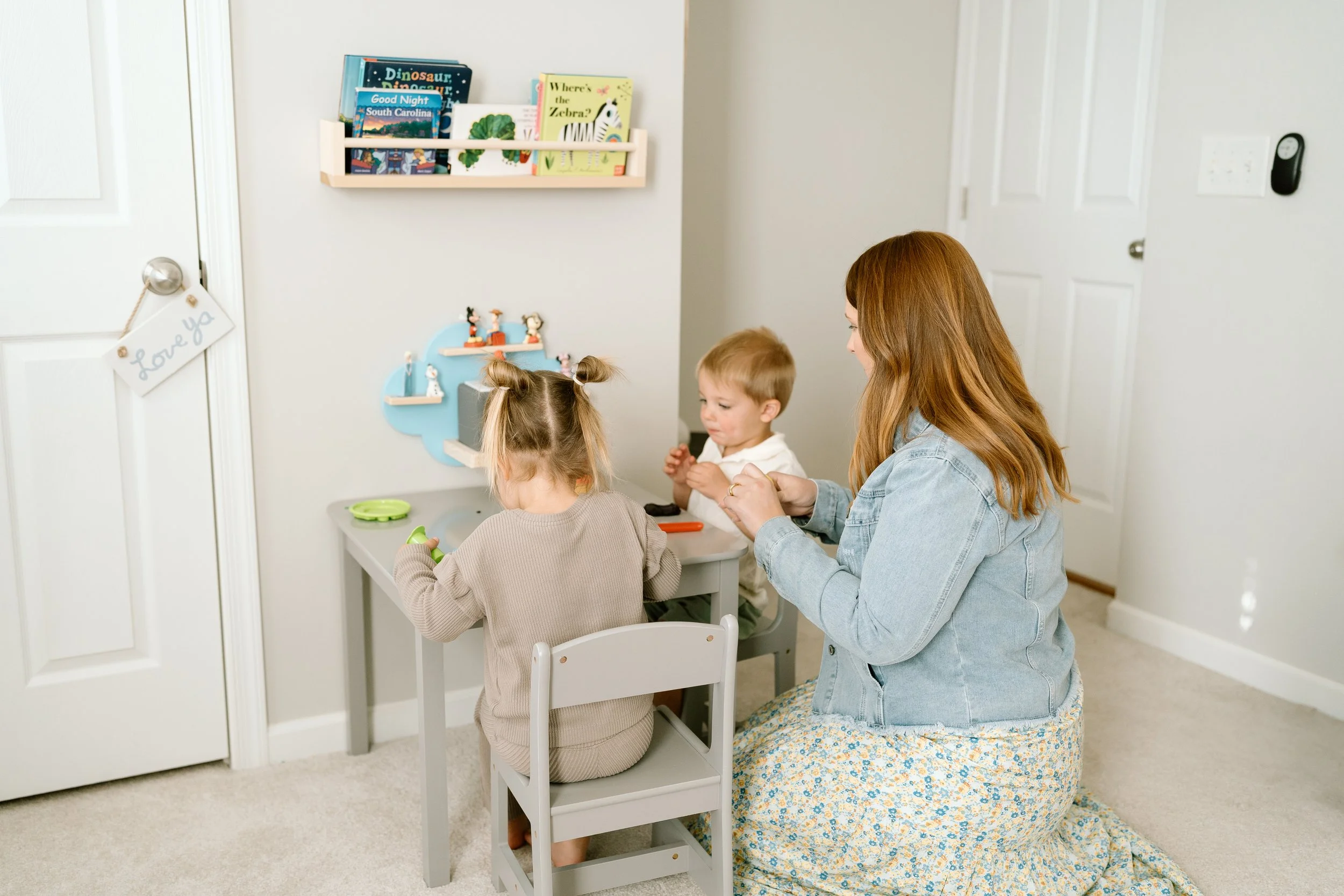
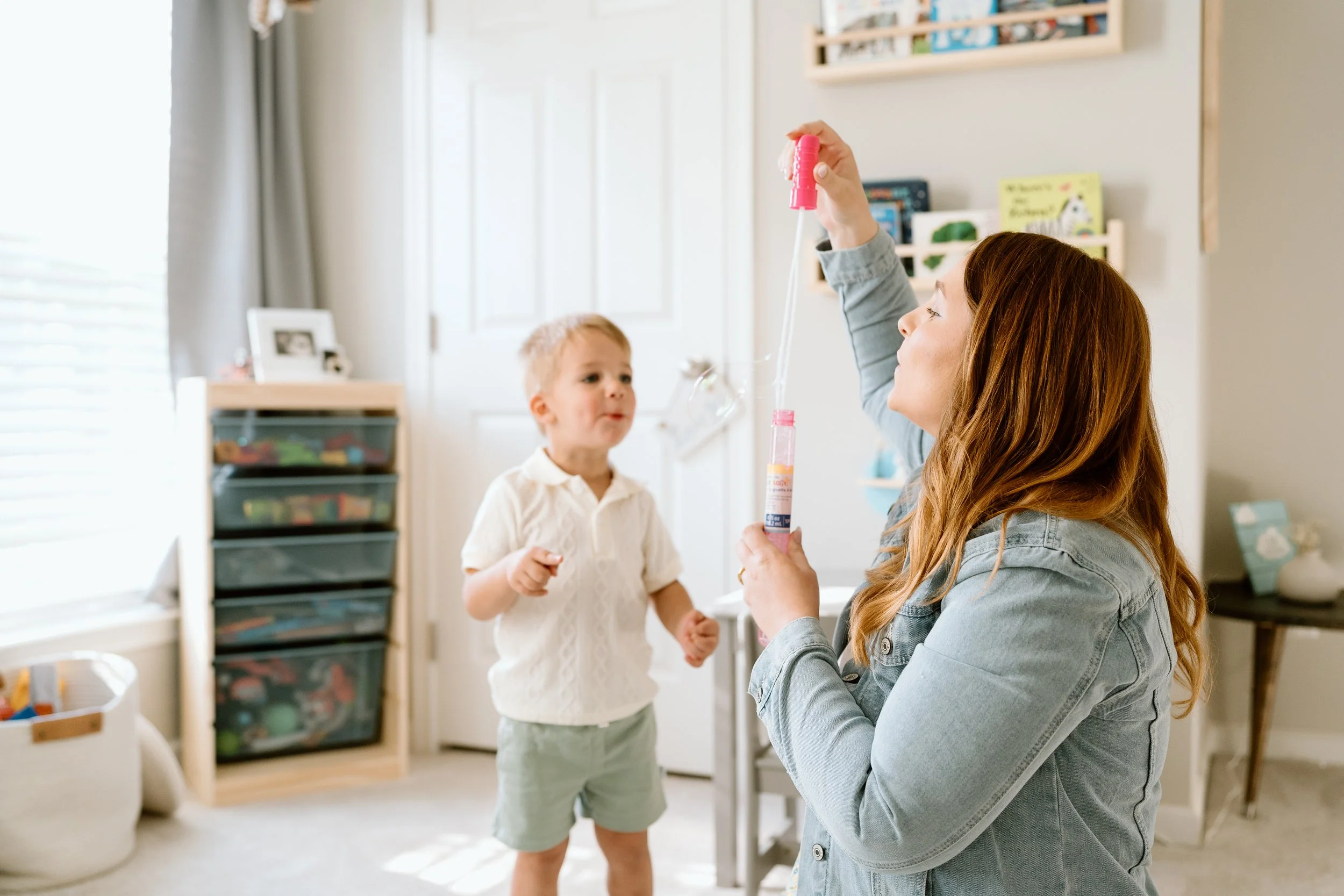
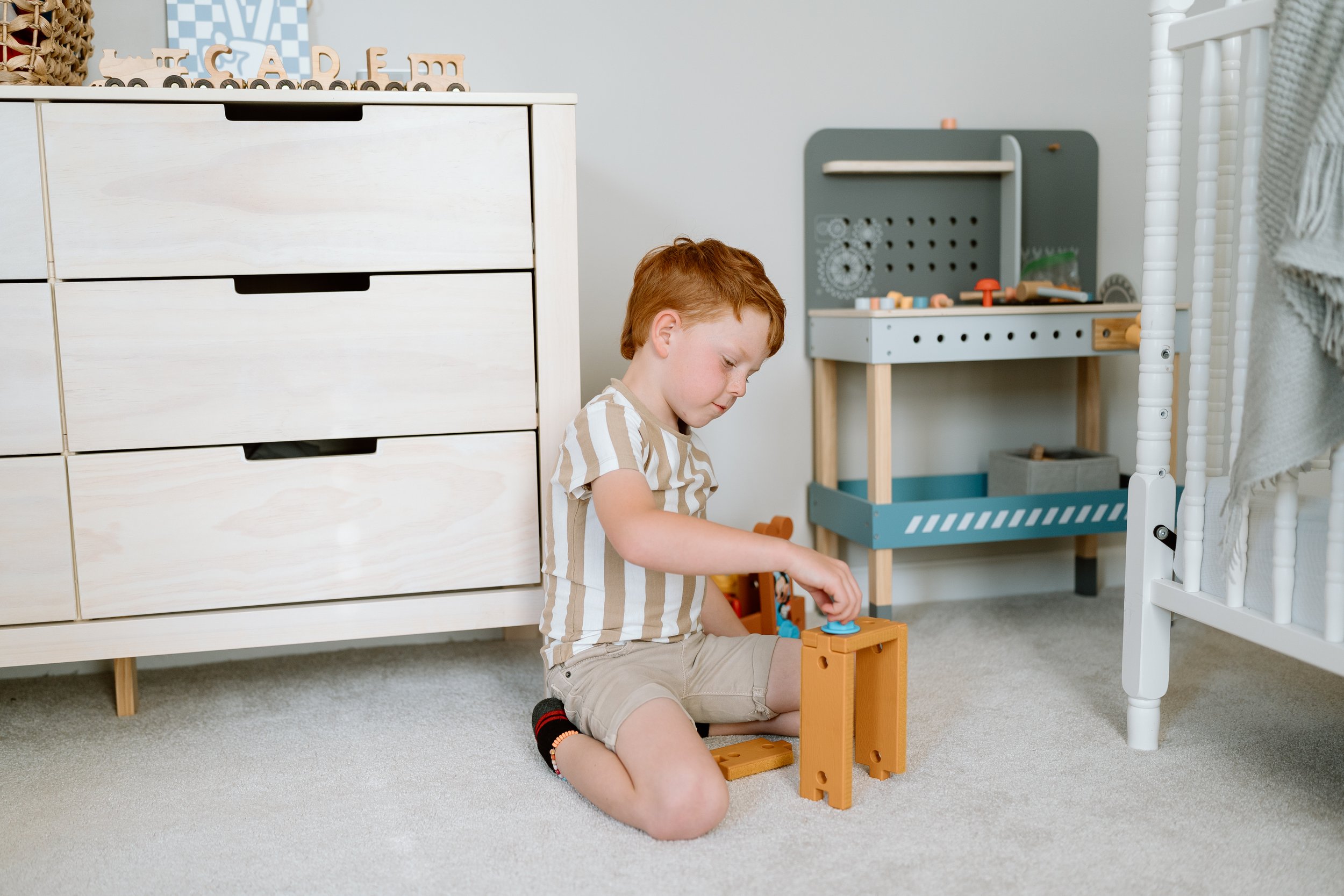
Play based therapy is one of the most effective ways for a SLP to build a strong and trusting relationship with your child. In early intervention especially, play isn’t just something we do; it’s how we teach! A SLP will use engaging, developmentally appropriate toys and activities to create natural opportunities for communication while following your child’s lead. Because play is naturally motivating and low-pressure, children are more likely to communicate freely, take risks, and try new skills without realizing they’re “working”. Instead of structured drills or repetitive tasks, language is embedded into meaningful, real-time interactions. During play, we might model new words and sounds, expand on the language your child is using, create opportunities for turn-taking and social skills practice, and work on specific daily tasks where communication breakdowns typically occur. These moments are small, but powerful; they can make such a massive difference over time.
Your Child Isn’t The Only One Learning During Their Sessions…
Speech therapy in early intervention is really about coaching, supporting, and empowering families. That might look like teaching how to model language, adjusting the environment to encourage communication, or building small but meaningful strategies into everyday routines like play, meals, and bedtime.
If you are concerned about your child’s communication skills, trust your gut. Reach out to a local SLP who can help determine what supports your child might need!